In the Age of AI Agents, “Context” Matters More Than Performance
AI agents aren't smart, not until we provide them with context
 Sean Endicott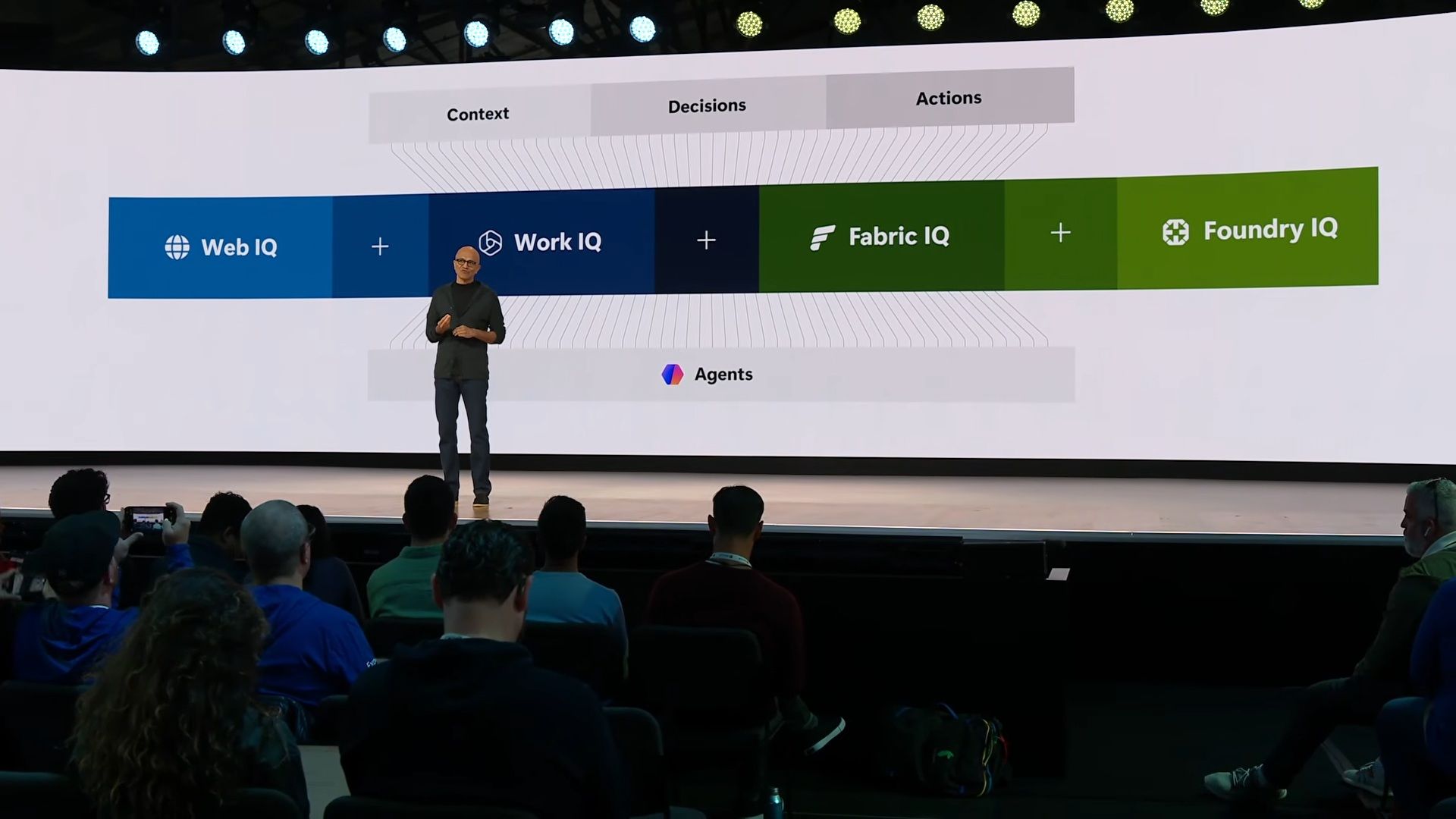
TL;DR
- The performance of AI agents is determined more by context than by the model itself.
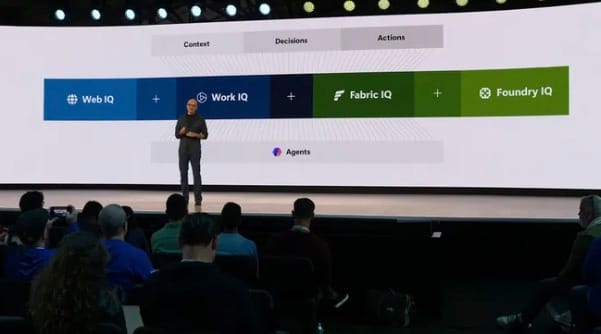
- Through IQ Connect, Microsoft has outlined a strategy for connecting corporate data with AI agents.
- Future competitiveness is likely to stem from better data connectivity structures rather than better AI models.
- Companies must first overhaul their data access systems before adopting AI.
What Happened
Microsoft recently unveiled IQ Connect, outlining a vision where AI agents go beyond simply answering questions to performing actual work tasks by leveraging internal corporate data and web information.
The information needed for actual work is scattered across various sources, such as email, Teams, SharePoint, CRM, and document repositories. IQ Connect connects this data with AI agents to ensure the necessary information is available at the right time.
Why This Matters
The Limitation of AI Lies Not in the Model, but in the Data
Many people view the AI race as a competition in model performance, focusing on systems like GPT, Claude, and Gemini.
However, actual work productivity is better described by the following formula:
Productivity = AI Performance × Context
No matter how advanced a model is, it will face limitations in performing practical tasks if it lacks knowledge of the current project status, customer information, internal documents, or meeting minutes.
AI Knows Less Than You Think
For example, suppose you receive a request like, “Summarize the contract review we conducted with Client A last month.”
If the AI cannot access the contract, emails, or meeting minutes, it is effectively unable to respond.
On the other hand, when provided with the right context, AI can transcend the role of a simple chatbot to become a practical business partner.
What Changes Next
The standard for productivity is shifting.
In the past, a good prompt was crucial.
Today, a good workflow is crucial.
And in the future, a robust context system is likely to become the key factor determining productivity.
The questions companies must consider before adopting AI are also changing.
- Where is our data located?
- Can AI access it securely?
- How will we manage permissions?
- How will we keep the information up to date?
Real-World Example
The same issue arises when developing medical AI services.
Simply improving model performance does not guarantee a good service.
Only when AI can appropriately utilize information such as user records, past analysis results, service policies, and individual histories can it provide meaningful results.
Ultimately, it is context not the model itself that delivers value to the user.
Key Takeaway
Competitive advantage in the AI era does not come from using smarter models.
It comes from creating a structure that can provide the right data to AI at the right time.
People find it difficult to make good judgments without understanding the situation. The same applies to AI.
An agent’s performance is determined by context, not by the model.