TL;DR: Three Weeks With Local LLMs
Cloud AI pricing changes pushed me to test local LLMs against GPT-5 and Claude for real engineering work. Three weeks in, here's the short version.
The catch
- Context across multiple projects is still weaker than proprietary models.
- Package and API knowledge lags behind slightly, costing occasional debugging time.
- Context compaction is the real limiter: usable context lands closer to 132K than the advertised 250K, giving roughly six to nine solid prompts before things slow down.
The upside
- Everything stays in house, which matters a lot for sensitive code and infrastructure.
- Working locally keeps you closer to the architecture instead of rubber-stamping generated code.
- The gap to frontier models has shrunk to roughly a year, and it's still closing.
The models
- Qwen 3.6: barely different from 3.5, sometimes worse for coding.
- Qwen 3.5: strong reasoning, but tool calling needed babysitting.
- Gemma 4: the standout. Fewer hallucinations, cleaner scaffolding, my daily driver.
- GPT-OSS: solid nine months ago, outmatched now.
Where it shines
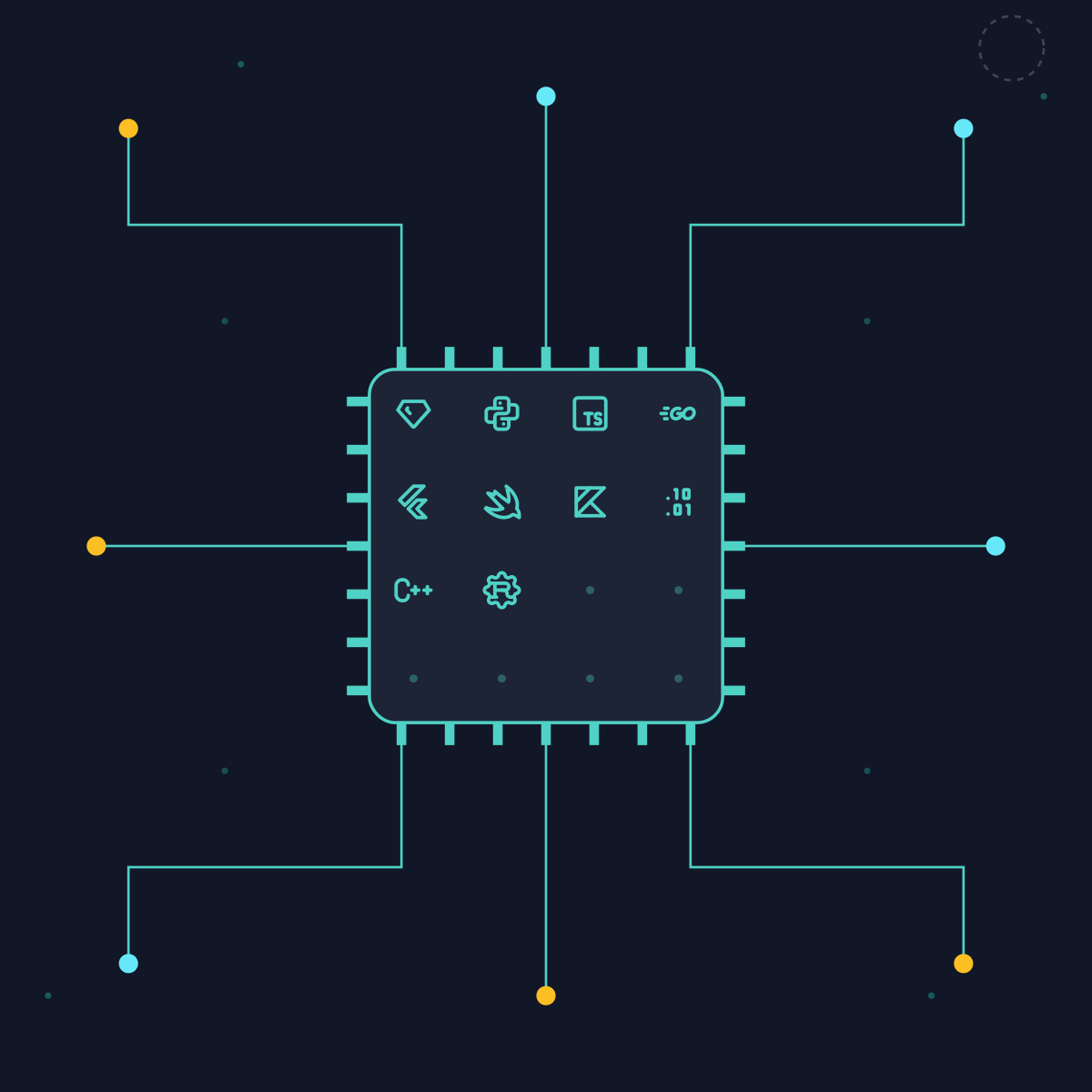
Backend and mobile work with real structure: Ruby, Python, TypeScript, Go, Flutter, Swift, Kotlin, and especially Rust, where the compiler's strict feedback made the model genuinely reliable. C and C++ work fine but need closer review given the stakes of a subtle bug.
Where it doesn't
Anything HTML and CSS heavy. Repeated classes, broken layouts, no consistent pattern. 6/10 at best, and not something to hand off without supervision.
Bottom line
Not a full replacement for GPT-5 or Claude yet, but a legitimate complement: private, cost-effective, and closing the gap faster than expected.